Seafood Information

Like some more information about the seafood we use?
Our daily changing seafood selection is on our menu page, but if you'd like some more information, perhaps some tasting or cooking information. Are you curious to know where and how its caught? here is all the information for any species we use on our menu.
Honesty is at the heart of our kitchen. As part of our commitment to showcasing the
Our daily changing seafood selection is on our menu page, but if you'd like some more information, perhaps some tasting or cooking information. Are you curious to know where and how its caught? here is all the information for any species we use on our menu.
Honesty is at the heart of our kitchen. As part of our commitment to showcasing the best sustainable seafood of the Great Southern, we proudly follow and champion the Australian Fish Names Standard (AS 5300) This ensures complete accountability from boat to table- so the fish you order is accurately named, responsibly sourced, and exactly what we promise.
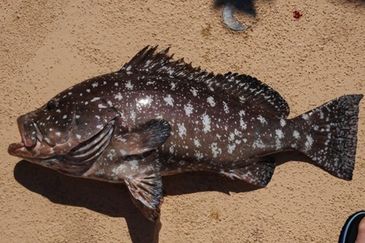
Rankin Cod
Australian Standard Fish Name:
Rankin Cod
Common Name:
Rankin Cod, also known as White Blotched Cod
Brief:
Rankin Cod is a spectacular and highly sought after species of fish, caught in the Tropical/ Sub-Tropical waters of WA’s North, particularly around the Pilbara.
Recommended cooking method:
Rankin Cod is great cooked any way - although it
Australian Standard Fish Name:
Rankin Cod
Common Name:
Rankin Cod, also known as White Blotched Cod
Brief:
Rankin Cod is a spectacular and highly sought after species of fish, caught in the Tropical/ Sub-Tropical waters of WA’s North, particularly around the Pilbara.
Recommended cooking method:
Rankin Cod is great cooked any way - although it can be a little tough sometimes when grilled.
Description:
Large Pearly white firm meaty flakes.
Flavor:
A mild, sweet and delicate flavor with a little good oiliness on the finish.
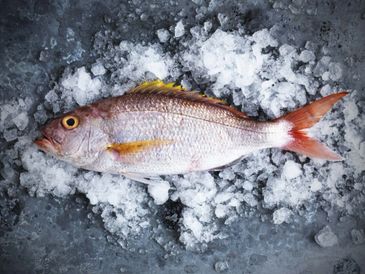
Goldband Snapper
Bight Redfish (Nannygai)
Australian Standard Fish Name:
Goldband Snapper
Common Name:
Goldband Snapper
Brief:
Goldband Snapper is one of the best snapper species we source from around the Shark Bay/ Gascoyne region of W.A
Recommended cooking method:
Goldband Snapper is suited to being grilled, battered or crumbed.
Description:
Pearly white, meaty fillets with some off w
Australian Standard Fish Name:
Goldband Snapper
Common Name:
Goldband Snapper
Brief:
Goldband Snapper is one of the best snapper species we source from around the Shark Bay/ Gascoyne region of W.A
Recommended cooking method:
Goldband Snapper is suited to being grilled, battered or crumbed.
Description:
Pearly white, meaty fillets with some off white and darker flesh close to the skin.
Texture:
Medium sized soft to medium flakes.
Flavor:
Mild, Semi sweet and clean flavor, touch of oiliness on the finish.

Bight Redfish (Nannygai)
Southern Blue Morwong (Queen Snapper)
Bight Redfish (Nannygai)
Australian Standard Fish Name:
Bight Redfish
Common Name:
Nannygai or just Nanny amongst the locals
Brief:
This highly prized fish is found along the Southernmost Latitudes of WA and is caught in large numbers around Albany along the Continental shelf up to 450ml. It is perhaps the best eating fish in the region.
Australian Standard Fish Name:
Bight Redfish
Common Name:
Nannygai or just Nanny amongst the locals
Brief:
This highly prized fish is found along the Southernmost Latitudes of WA and is caught in large numbers around Albany along the Continental shelf up to 450ml. It is perhaps the best eating fish in the region.
Recommended cooking method:
It is great deep fried, grilled or with a lemon pepper crumb - can be prone to shrinkage, especially when fresh.
Description:
Pearly white with slight red tones where the flesh sits against the skin
Texture:
Medium soft flakes
Flavor:
The best of the Great Southern, Very clean, delicate, sweet mild flavor.

Southern Blue Morwong (Queen Snapper)
Southern Blue Morwong (Queen Snapper)
Southern Blue Morwong (Queen Snapper)
Australian Standard Fish Name:
Southern Blue Morwong
Common Name:
Queen Snapper or just Queenie amongst the locals
Brief:
Found in large numbers off Albany’s coast, this sought-after fish is a favorite amongst local - particularly when line caught, not spiked and straight into an ice slurry.
Line caught and netted, found in deeper offshore
Australian Standard Fish Name:
Southern Blue Morwong
Common Name:
Queen Snapper or just Queenie amongst the locals
Brief:
Found in large numbers off Albany’s coast, this sought-after fish is a favorite amongst local - particularly when line caught, not spiked and straight into an ice slurry.
Line caught and netted, found in deeper offshore waters up to 80m
Recommended cooking method:
It is great deep fried, grilled or lemon pepper crumbed, can be prone to shrinkage
Description:
Large fillet, with firm white flesh darkening towards the gill area.
Texture:
Medium, firm flesh with medium flakes, can be soft when netted.
Flavor:
Delicate with a slightly sweet flavor.

King George Whiting
Southern Blue Morwong (Queen Snapper)
Southern Blue Morwong (Queen Snapper)
Australian Standard Fish Name:
King George Whiting
Common Name:
King George Whiting or KG amongst the locals
Brief:
Perhaps Australia’s greatest table fish, King George Whiting is highly prized for its sweet, delicate flavour and found inshore in prolific numbers when weather permitting the smaller boats that target KG can get out.
Recommende
Australian Standard Fish Name:
King George Whiting
Common Name:
King George Whiting or KG amongst the locals
Brief:
Perhaps Australia’s greatest table fish, King George Whiting is highly prized for its sweet, delicate flavour and found inshore in prolific numbers when weather permitting the smaller boats that target KG can get out.
Recommended cooking method:
Recommended battered or lemon pepper crumbed to reduce shrinkage and moisture loss especially in small fillets, large fillets are best grilled skin on.
Description:
Thin-ish, medium size fillets with off white to greyish flesh.
Texture:
Moist, soft with small delicate flakes
Flavour:
Mild, extremely fine, sweet flavour

Hammerhead Shark
Australian Standard Fish Name:
Smooth Hammerhead Shark
Common Name:
Hammerhead Shark
Brief:
Hammerhead are caught in large numbers off Albany, both line caught and netted.
Recommended cooking method:
With its moist meaty flesh, it’s well suited to be battered, grilled and lemon pepper crumbed.
Description:
Large fillets with a slightly off-whi
Australian Standard Fish Name:
Smooth Hammerhead Shark
Common Name:
Hammerhead Shark
Brief:
Hammerhead are caught in large numbers off Albany, both line caught and netted.
Recommended cooking method:
With its moist meaty flesh, it’s well suited to be battered, grilled and lemon pepper crumbed.
Description:
Large fillets with a slightly off-white color.
Texture:
Very moist and large soft meaty flakes
Flavour:
Very flavorsome, non-fishy, non-oily with an almost lemony aftertaste

Bronze Whaler
Australian Standard Fish Name:
Bronze Whaler
Common Name:
Bronze Whaler or amongst the locals just Bronzy
Brief:
Bronze Whalers are caught in large numbers off Albany both, line caught and netted and are highly prized as one of the best eating shark species.
Recommended cooking method:
With its moist meaty flesh it’s well suited to being batte
Australian Standard Fish Name:
Bronze Whaler
Common Name:
Bronze Whaler or amongst the locals just Bronzy
Brief:
Bronze Whalers are caught in large numbers off Albany both, line caught and netted and are highly prized as one of the best eating shark species.
Recommended cooking method:
With its moist meaty flesh it’s well suited to being battered, grilled or with a lemon pepper crumb.
Description:
Large meaty fillets with a white color and slight discoloration along the blood line.
Texture:
Very moist with medium firm meaty flakes
Flavor:
Delicate, slightly sweet, non-fishy, non-oily.

Sardine
Sardine
Australian Standard Fish Name:
Australian Sardine
Common Name:
Sardine, Pilchard
Brief:
Sardines, caught in Albany’s nutrient rich and oxygenated waters of the Great Southern are among best sardines found anywhere in the world. Extremely high in Omega 3 and caught both offshore and onshore in the winter months.
A prized fish for the Menan
Australian Standard Fish Name:
Australian Sardine
Common Name:
Sardine, Pilchard
Brief:
Sardines, caught in Albany’s nutrient rich and oxygenated waters of the Great Southern are among best sardines found anywhere in the world. Extremely high in Omega 3 and caught both offshore and onshore in the winter months.
A prized fish for the Menang/ Noongar people.
Recommended cooking method:
With a strong, rich flavor - sardines are best marinated and grilled or smoked and served with something like pickled cucumber or red cabbage to cut through the oiliness.
Description:
Small dark red/ brown fillet
Texture & Flavor:
Very moist and fine meaty flakes.
A really good, fishy, oiliness flavor

Herring
Pink Snapper
Sardine
Australian Standard Fish Name:
Herring
Common Name:
Herring
Brief:
Herring caught in Albany’s nutrient rich and oxygenated waters of the Great Southern are one of the best fish you can eat from the region. High in Omega 3 and caught both offshore and onshore in the winter months. A superfood of the ocean and a prized fish for the Menang/ Noo
Australian Standard Fish Name:
Herring
Common Name:
Herring
Brief:
Herring caught in Albany’s nutrient rich and oxygenated waters of the Great Southern are one of the best fish you can eat from the region. High in Omega 3 and caught both offshore and onshore in the winter months. A superfood of the ocean and a prized fish for the Menang/ Noongar people who caught them in fish traps; an example being the Fish Traps in Oyster Harbour, built approximately 7000 years
Recommended cooking method:
With a strong rich flavor, I like them best crumbed and served in a Nordic style with pickled vegetable and a potato salad
Description:
Medium dark grey fillets
Texture:
Very moist and fine flakes
Flavour:
A really good fishy, oiliness.

Pink Snapper
Pink Snapper
Pink Snapper
Australian Standard Fish Name:
Snapper
Common Name:
Pink Snapper or just Pinky
Brief:
Snapper is usually caught in plentiful numbers around Albany both onshore and offshore, in reef systems anywhere from 6 to 20 meters.
Recommended cooking method:
Snapper is suited to any cooking method, although on occasion Snapper can be quite delicate and
Australian Standard Fish Name:
Snapper
Common Name:
Pink Snapper or just Pinky
Brief:
Snapper is usually caught in plentiful numbers around Albany both onshore and offshore, in reef systems anywhere from 6 to 20 meters.
Recommended cooking method:
Snapper is suited to any cooking method, although on occasion Snapper can be quite delicate and are not always suited to frying as they can fall apart
Description:
Large, white to off white/pinkish flesh
Texture:
Moist with large delicate flakes
Flavor:
When you imagine what the best snapper should taste like it’s ‘Pink’ snapper that you should be ordering.

Whitebait
Pink Snapper
Pink Snapper
Australian Standard Fish Name:
Whitebait
Common Name:
Whitebait
Brief:
Whitebait are caught inshore, in large numbers around Bunbury particularly in the winter months.
Recommended cooking method:
Whole whitebait are one of my favorite fish and are best lightly marinated, dusted in flour and fried until crispy.
We like to serve them with pi
Australian Standard Fish Name:
Whitebait
Common Name:
Whitebait
Brief:
Whitebait are caught inshore, in large numbers around Bunbury particularly in the winter months.
Recommended cooking method:
Whole whitebait are one of my favorite fish and are best lightly marinated, dusted in flour and fried until crispy.
We like to serve them with pickled Samphire (Sea Asparagus) and garlic aioli.
Description:
5-6cm whole with almost translucent flesh and a gold stripe running down the body, if you’re lucky you get the odd baby sardine in there.
Texture:
Crunchy but very delicate.
Flavor:
Slight ocean brine/ seagrass flavor.
Seafood Information

Hake
Sydney Rock Oysters from Albany
Sydney Rock Oysters from Albany
Common Name:
Hake
Australian Standard Fish Name:
Not Applicable
Brief:
MSA sustainably certified and caught in large numbers in the nutrient, rich waters of South Africa’s Southeast Atlantic Ocean. Trawled or line caught inshore and offshore from 50 to 500 meters
Recommended cooking method:
Hake can be a little soft, so it’s best suited batter
Common Name:
Hake
Australian Standard Fish Name:
Not Applicable
Brief:
MSA sustainably certified and caught in large numbers in the nutrient, rich waters of South Africa’s Southeast Atlantic Ocean. Trawled or line caught inshore and offshore from 50 to 500 meters
Recommended cooking method:
Hake can be a little soft, so it’s best suited battered or crumbed, to give it some texture, and great for those who don’t like a “fishy” fish taste.
Description:
Medium sized white fillets, boneless
Texture:
Medium sized soft flakes
Flavor:
Very neutral flavor, non-fishy, non- oily, can be a little dry.
Sydney Rock Oysters from Albany
Sydney Rock Oysters from Albany
Sydney Rock Oysters from Albany
Australian Standard Fish Name:
Sydney Rock Oyster (Saccostrea Glomerata)
Common Name:
Albany Rock Oyster or Western Rock Oyster
Brief:
Sustainably Farmed Rock Oyster is a fantastic example of how regenerative aquiculture can rebuild and bring back a marine ecosystem. Farmed in the nutrient rich waters of Oyster Harbour, Princess Royal Harbou
Australian Standard Fish Name:
Sydney Rock Oyster (Saccostrea Glomerata)
Common Name:
Albany Rock Oyster or Western Rock Oyster
Brief:
Sustainably Farmed Rock Oyster is a fantastic example of how regenerative aquiculture can rebuild and bring back a marine ecosystem. Farmed in the nutrient rich waters of Oyster Harbour, Princess Royal Harbour, King George Sound and Mistaken Island, they are perhaps the purist expression of the Merroir of Albany.
Recommended cooking method:
My favorite is having them freshly shucked and never washed as you need that first briny mouthful of the oyster to hit your palette first. When you wash or rinse an Oyster you lose one of the best parts of eating an oyster.
Description:
Small to medium size, with a creamy off-white color
Texture:
Delicate, and with a gentle chew almost melts in the mouth
Flavor:
Delicate, creamy, briny flavor with an almost herbaceous sea grass finish
Southern Bluefin Tuna
Sydney Rock Oysters from Albany
Southern Bluefin Tuna
Australian Standard Fish Name:
Southern Bluefin Tuna
Common Name:
Bluefin Tuna
Brief:
During Djeran, the Menang Noongar word for the Season of April May the warm nutrient rich Leeuwin current moving down the W.A Coast brings with it mass shoals of migratory sardines, and following those sardines, gorging themselves on their oily, rich, Omega
Australian Standard Fish Name:
Southern Bluefin Tuna
Common Name:
Bluefin Tuna
Brief:
During Djeran, the Menang Noongar word for the Season of April May the warm nutrient rich Leeuwin current moving down the W.A Coast brings with it mass shoals of migratory sardines, and following those sardines, gorging themselves on their oily, rich, Omega 3 laden prey are Southern Bluefin Tuna.
Recommended cooking method:
Southern Bluefin Tuna, being one of the best fish in Australia and with such a unique special flavor and texture are best served simply grill. A little salt and pepper, a squeeze of lemon and you’re in Tuna heaven.
Description:
Sleek, muscular predators with a rich light brown, reddish flesh.
Texture:
Soft medium delicate meaty flakes, can be dry if overcooked
Flavour:
This Wagyu of the sea has rich buttery melt in your mouth flavor.
Coffin Bay Oysters
Southern Bluefin Tuna
Australian Standard Fish Name:
Pacific Oysters
Common Name:
Coffin Bay Oysters
Brief:
When the Albany Rock Oyster season finishes or are unavailable due to rainfall, we love Pacific Oysters from Coffin Bay in South Australia. Farmed in the pristine waters of Coffin bay they are right up there with the best Oysters Australia produces.
Recommen
Australian Standard Fish Name:
Pacific Oysters
Common Name:
Coffin Bay Oysters
Brief:
When the Albany Rock Oyster season finishes or are unavailable due to rainfall, we love Pacific Oysters from Coffin Bay in South Australia. Farmed in the pristine waters of Coffin bay they are right up there with the best Oysters Australia produces.
Recommended cooking method:
We recommend them served natural with mignonette dressing and Reggie’s Sourdough
Description:
Medium, full and plump size, with a deeper cup (the actual shape of the cup of the oyster) than the Albany Rock Oyster
Texture:
A slightly meaty and fuller mouthfeel than the Albany Rocks
Flavour:
A robust, bold and briny flavor.

Gummy Shark
Australian Standard Fish Name:
Gummy Shark
Common Name:
Gummy Shark or Flake
Brief:
Australia’s premium eating shark, Gummy Shark it is also well commonly known as Flake, and the only Shark that’s allowed to be called Flake is Gummy Shark and it is the absolute best shark for fish and chips. Caught in deep water near the seabed across the co
Australian Standard Fish Name:
Gummy Shark
Common Name:
Gummy Shark or Flake
Brief:
Australia’s premium eating shark, Gummy Shark it is also well commonly known as Flake, and the only Shark that’s allowed to be called Flake is Gummy Shark and it is the absolute best shark for fish and chips. Caught in deep water near the seabed across the continental shelf along the entire Southern Coast of Australia and in particular high numbers off Albany.
Recommended cooking method:
Gummy shark is fantastic cooked however you like, it doesn’t shrink or dry out and is probably the most versatile shark or fish you’ll see on a menu
Description:
Medium sized with am ivory white to a subtle pink hue, it also has no bones.
Texture:
Firm, meaty large flakes
Flavor:
Delicate, creamy, non-fishy, non-oily.
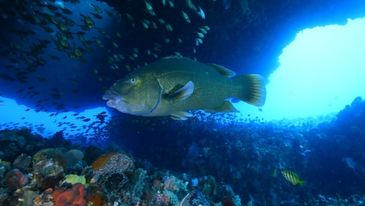
Western Blue Groper
Australian Standard Fish Name:
Western Blue Groper
Common Name:
Groper or Blue Groper
Brief:
Western Blue groper is the largest carnivorous bony fish caught in the Great Southern. Interestingly they all start off as green colored females and only turn the distinctive blue later when the dominant male dies and they transition and take over t
Australian Standard Fish Name:
Western Blue Groper
Common Name:
Groper or Blue Groper
Brief:
Western Blue groper is the largest carnivorous bony fish caught in the Great Southern. Interestingly they all start off as green colored females and only turn the distinctive blue later when the dominant male dies and they transition and take over that role within the school. They are caught on reefs and coral outcrops between 5 and 65 meters, tending to venture further offshore as they mature.
Recommended cooking method:
Blue Groper is a wonderful, beautifully tasting fish that suits any cooking style, although sometimes if they are very large though they can be a little tough especially when grilled.
Description:
Large fillets with a pinkish hue that is white when cooked.
Texture:
Large, firm, meaty flakes.
Flavour:
A mild, clean, slightly sweet flavor.
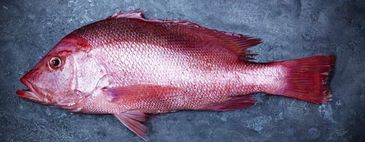
Saddletail Snapper
Saddletail Snapper
Saddletail Snapper
Australian Standard Fish Name:
Saddletail Snapper
Common name:
Saddletail Snapper
Brief:
Saddletail Snapper are a good eating fish that we source from around Shark Bay. They are a little firmer than other Snapper Species and have a creamier pink color. Saddletail Snapper are found in the temperate, sub-tropical waters in Shark Bay WA and al
Australian Standard Fish Name:
Saddletail Snapper
Common name:
Saddletail Snapper
Brief:
Saddletail Snapper are a good eating fish that we source from around Shark Bay. They are a little firmer than other Snapper Species and have a creamier pink color. Saddletail Snapper are found in the temperate, sub-tropical waters in Shark Bay WA and all along the Northern Coasts of Australia.
They are mostly line caught, with some also being caught in fish traps which definitely results in worse quality fillets.
Recommended cooking method:
The fillets have a tendency to shrink but are well suited to being battered, crumbed or grilled.
Description:
Firm with a creamy pink color.
Flavor:
Low to medium/low fishiness, slightly moist.
Saddletail Snapper
Saddletail Snapper
Saddletail Snapper
Australian Standard Fish Name:
Saddletail Snapper
Common name:
Saddletail Snapper
Brief:
Saddletail Snapper are a good eating fish that we source from around Shark Bay. They are a little firmer than other Snapper Species and have a creamier pink color. Saddletail Snapper are found in the temperate, sub-tropical waters in Shark Bay WA and al
Australian Standard Fish Name:
Saddletail Snapper
Common name:
Saddletail Snapper
Brief:
Saddletail Snapper are a good eating fish that we source from around Shark Bay. They are a little firmer than other Snapper Species and have a creamier pink color. Saddletail Snapper are found in the temperate, sub-tropical waters in Shark Bay WA and all along the Northern Coasts of Australia.
They are mostly line caught, with some also being caught in fish traps which definitely results in worse quality fillets.
Recommended cooking method:
The fillets have a tendency to shrink but are well suited to being battered, crumbed or grilled.
Description:
Firm with a creamy pink color.
Flavor:
Low to medium/low fishiness, slightly moist.
